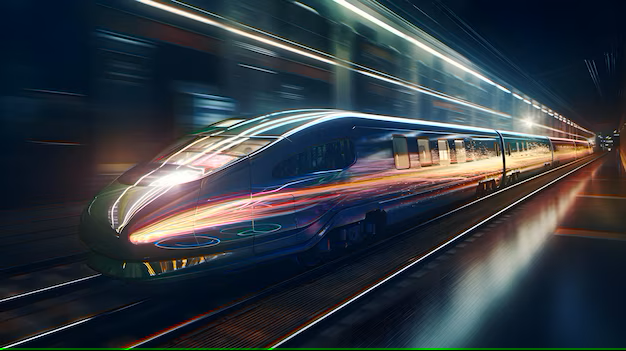

The Velocity Melbourne Trains Project was an intensive initiative that allowed our team to demonstrate our expertise in both electrical and mechanical design. Our primary objective was to develop a comprehensive 3D electrical layout for a train compartment, which included a fully functional kitchen. Collaboration with Ricardo, the lead electrical contractor, was crucial to ensure a high-quality solution, delivered under tight deadlines while integrating seamlessly with the broader train design.
Objectives
- To design an electrical layout for a train compartment, focusing on the kitchen area.
- To ensure safe and efficient powering of various kitchen appliances.
- To create detailed documentation for installation and maintenance.
- To incorporate mechanical design enhancements in the kitchen area.
- To manage the challenges of a fast-tracked timeline and compact space.
Design and Execution
Electrical Design
Our core contribution involved crafting the electrical layout for the kitchen area of the train compartment. The design process included:
- Component Placement: We strategically planned the positioning of all electrical components to optimise safety and functionality.
- Connection Diagrams: Detailed diagrams were developed to illustrate the connection between each component, serving as a clear guide for the installation team.
- Wire Routing: Utilising advanced 3D modelling techniques, we mapped out the wire paths throughout the compartment. This ensured organised routing, minimal interference with other systems, and ease of maintenance.
- Visual Representation Diagrams: We created step-by-step visual aids that depicted the wiring and connection processes, facilitating accurate and swift implementation.
Mechanical Enhancements
Beyond the electrical design, we made key improvements to the compartment’s mechanical aspects:
- Kitchen Pantry Redesign: We reimagined the kitchen pantry using sheet metal design, optimising it for space efficiency and accessibility, while ensuring aesthetic compatibility with the train’s interior.
- Piping Flow System: We modelled the piping system in 3D with SolidWorks routing, mapping the supply of water and other fluids to the kitchen. By simulating fluid dynamics, we proactively addressed any potential issues, ensuring reliability and efficiency.
Tools and Technology
The project was fully executed using SolidWorks 3D modelling software, which was pivotal in our design process. This powerful tool enabled the creation of precise models for both electrical and mechanical systems. Features utilised included:
- Routing Features: These were crucial for designing wiring and piping layouts tailored to the confined space of the compartment.
- Design Validation and Interference Checks: 3D visualisation allowed us to identify and resolve issues early in the process, assuring a flawless final product.
Challenges and Solutions
As subcontractors on a fast-tracked project, we faced several challenges:
- Integration with Ricardo: Continuous communication and regular design updates were necessary to maintain alignment with the primary contractor’s work.
- Complex Space Management: Fitting intricate systems into a compact environment posed difficulties. We employed SolidWorks’ simulation and analysis tools to optimise layouts, ensuring harmonious functionality of all components.
Outcomes
The Velocity Melbourne Trains Project stands as a testament to our commitment to delivering innovative, high-quality solutions under pressure. Our contributions to the electrical 3D layout, mechanical design enhancements, and the effective use of SolidWorks were key to the project’s success.
As subcontractors, we take great pride in our ability to deliver rapidly and efficiently, meeting stringent deadlines without sacrificing quality. This project exemplifies our dedication to precision, collaboration, and excellence in engineering design.