
Client: EPTEC
Project Overview:
EPTEC, recognised for its innovative parking solutions, took on the redesign of the carpark at Smithfield with the intention of creating an efficient, user-friendly, and visually appealing facility. As urban areas evolve, the need for modern parking infrastructures is paramount; this project aimed to address those demands while establishing a benchmark for contemporary parking design.
Objectives:
The redesign was informed by several key objectives targeting the needs of both users and the community:
- Enhance Traffic Flow: Minimise congestion and reduce user wait times.
- Increase Capacity: Provide a 20% expansion in parking availability to accommodate growing demands.
- Improve Safety: Introduce features that prioritise the Safety of both drivers and pedestrians.
- Elevate Aesthetics: Create a welcoming environment through thoughtful design and landscaping efforts.
Design Process:
The final concept layout resulted from a thorough, data-driven design process that included:
- Traffic Analysis: An assessment of vehicle movement patterns to identify inefficiencies and improve traffic flow.
- User Surveys: Feedback collected from frequent users to pinpoint pain points and preferences.
- Stakeholder Consultations: Collaboration with local authorities and community leaders to ensure regulatory compliance and alignment with community expectations.
This comprehensive approach guaranteed a user-focused design tailored to the specific needs of the site.
Challenges:
The project faced considerable challenges, including:
- Space Constraints: Limited land availability complicated the expansion of parking capacity without sacrificing accessibility.
- Budget Limitations: A restricted budget required solutions that were both cost-effective and impactful.
To navigate these constraints, the design team suggested a multi-level parking structure that would maximise vertical space while ensuring easy access. Additionally, durable and low-maintenance materials were selected to maintain quality within budget.
Solutions:
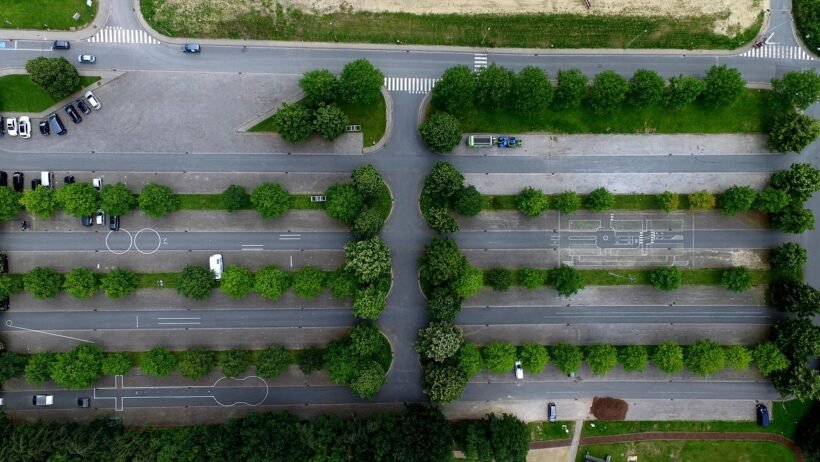
The concept layout incorporates essential features designed to meet the outlined objectives:
- One-Way Traffic System: This streamlined solution enhances vehicle movement, reduces bottlenecks, and improves overall efficiency.
- Dedicated Pedestrian Zones: Clearly marked walkways and crossings separate foot traffic from vehicles, bolstering Safety.
- Green Spaces: The introduction of native plants and trees not only softens the visual impact of the parking structure but also contributes to a more inviting atmosphere.
- Sustainable Materials: The use of permeable paving promotes natural water filtration, thereby reducing the environmental impact of stormwater runoff.
These features collectively blend functionality with environmental sustainability and aesthetic appeal.
Innovation:
A notable highlight of the redesign is the incorporation of smart parking technology, setting it apart from traditional carparks:
- Real-time Parking Availability: Users can access information through a mobile app or on-site displays.
- Advanced Spot Reservations: This functionality offers seamless convenience for parkers.
- Reduced Search Times: By improving parking efficiency, this feature helps decrease vehicle emissions and enhances overall air quality.
This progressive approach positions the carpark as a blueprint for future urban infrastructure.
Impact:
The redesign has resulted in significant benefits, including:
- User Satisfaction: Enhanced Safety and quicker parking experiences elevate overall user satisfaction.
- Environmental Stewardship: Elements such as permeable surfaces and greenery contribute to a healthier ecosystem.
- Community Pride: An aesthetically pleasing design transforms the parking facility into a local asset, demonstrating that functional spaces can inspire and uplift.
In summary, the EPTEC carpark redesign project exemplifies a commitment to designing efficient, sustainable, and user-centric parking solutions. By tackling site-specific challenges with innovative technology and thoughtful design, this case study highlights a new standard for parking innovation that not only meets immediate community needs but also lays the groundwork for future advancements in urban planning.
For Further Collaboration:
If you or your clients require expert engineering design and drafting support, our team is ready to assist. Contact us to explore how we can collaborate on your next venture!