


In collaboration with MNA Solutions, our team undertook the Boom Gate Design Project aimed at enhancing the operational safety and efficiency of a pet food manufacturing facility. The primary objective of the project was to create a safer work environment by optimising access control and streamlining the movement of vehicles and personnel. Although the project did not proceed to final approval, our innovative design solutions showcased our commitment to delivering high-quality and safety-focused outcomes.
Objectives
The Boom Gate Design Project was guided by four primary objectives:
- Enhance Workplace Safety: Design a boom gate system to regulate vehicle access, minimising the risk of accidents in high-traffic areas.
- Optimise Plant Layout: Develop a maintenance layout that integrates seamlessly with the boom gate system to improve operational efficiency.
- Ensure Compliance: Align the design with industry safety standards and regulations to foster a secure and compliant work environment.
- Future-Proof Design: Propose a scalable solution to accommodate potential future expansions or modifications within the facility.
Approach
Our team implemented a hands-on approach throughout the project, focusing on in-depth analysis and stakeholder engagement.
Site Analysis and Stakeholder Engagement
- Conducted on-site assessments to identify high-risk areas where vehicles and pedestrians frequently interacted.
- Engaged with plant managers, maintenance staff, and safety officers to gather insights on operational needs and pain points.
- Collaborated with MNA Solutions to ensure our design proposals aligned with the client’s long-term operational goals.
Boom Gate Design and Placement
Our design process centered on creating a robust, automated boom gate system:
- Design Development: Proposed a system with safety features, including sensors, warning lights, and emergency overrides, to enhance operational safety.
- Location Proposal: Leveraged data from our site analysis to determine optimal boom gate installation locations, focusing on areas such as loading docks and maintenance zones to minimise congestion and maintain clear emergency access pathways.
- Integration with Technology: Incorporated modern access control mechanisms like RFID tags and keycard systems to facilitate streamlined entry for authorised vehicles and personnel.
Plant Maintenance Layout
To complement the boom gate system, we reimagined the plant maintenance layout:
- Zoning Strategy: Divided the facility into distinct zones for vehicle traffic, pedestrian pathways, and maintenance activities, thereby reducing collision risks.
- Signage and Markings: Recommended clear signage and floor markings to guide traffic flow and reinforce safety protocols.
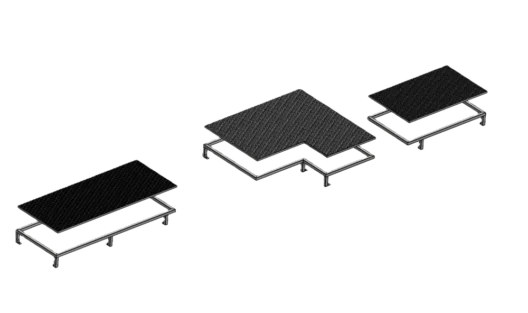
- Maintenance Access Points: Designed dedicated access points for maintenance crews to perform their duties without disrupting production or vehicular movements.
Safety and Compliance Focus
Safety served as the cornerstone of our design:
- Ensured Compliance with local occupational health and safety regulations for industrial facility designs.
- Integrated fail-safe mechanisms within the boom gate system to prevent potential accidents.
- Recommended staff training on the new system to facilitate smooth adoption.
Challenges and Solutions
Throughout the project, we encountered several challenges:
- Safety Traffic Patterns: The high volume of forklift and pedestrian traffic necessitated meticulous planning to prevent bottlenecks. We utilised simulation tools to model traffic flow and effectively optimise boom gate placement.
- Budget Constraints: Limited financial resources posed challenges, prompting us to prioritise modular designs that could be implemented in phases and allow for future scalability.
- Stakeholder Alignment: Differing priorities among stakeholders required extensive collaboration. We facilitated workshops with MNA Solutions and stakeholders to ensure consensus on project scope and design.
Outcomes
Despite the project not receiving final approval, it laid a strong foundation for future safety enhancements at the facility:
- Comprehensive Design Proposal: Delivered a detailed plan addressing safety, efficiency, and Compliance, providing the client with a clear roadmap for future implementation.
- Stakeholder Confidence: Our collaborative efforts and thorough documentation bolstered the client’s trust in our ability to deliver innovative solutions.
- Knowledge Transfer: Enhanced our team’s expertise in designing safety-focused systems for industrial environments, positioning us to tackle similar projects in the future.
Conclusion
The Boom Gate Design Project exemplified our commitment to safety and efficiency in industrial settings. While the project did not advance to final approval, the insights and proposals offered can serve as a blueprint for future improvements, underscoring the importance of thorough planning, stakeholder engagement, and adherence to safety standards in facility design.