
Client Background
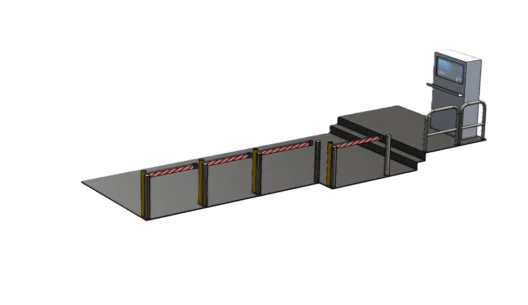
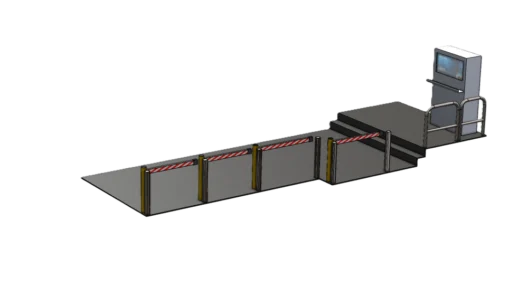
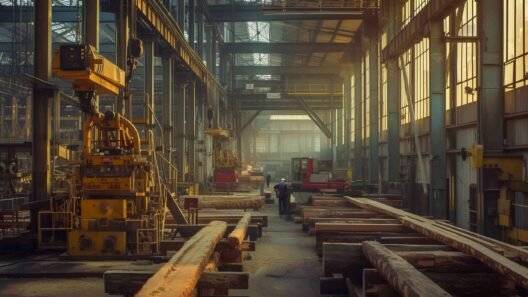
The client, a leading manufacturer in the pet food industry, aimed to improve their plant’s maintenance layout to create a safer and more efficient work environment. With a commitment to safety and hygiene, they sought to design a new stainless steel platform that would facilitate easier access for maintenance tasks while complying with industry regulations.
Project Overview
In collaboration with MNA Solutions, a firm with extensive experience in the pet food sector, our team embarked on a project to enhance the plant’s maintenance layout. The primary goal was to develop a comprehensive design plan that would address operational needs while adhering to strict safety and hygiene standards. Although the project did not move forward to approval, the journey provided invaluable insights and improved our team’s capabilities.
Design Process
- Initial Consultations and Site Visits
The project began with thorough consultations with the client to understand their specific needs and existing challenges. Our team, alongside MNA Solutions, conducted detailed site visits to evaluate the current plant layout, identify potential hazards, and assess areas for improvement. - Brainstorming and Conceptualization
Using feedback obtained from site evaluations, we brainstormed innovative design solutions focused on creating a platform that would not only enhance safety but also integrate seamlessly with the plant’s operations. - 3D Modeling and Iteration
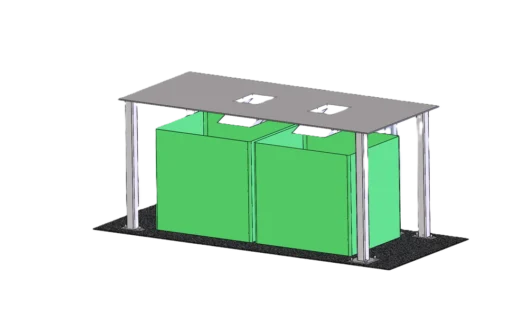
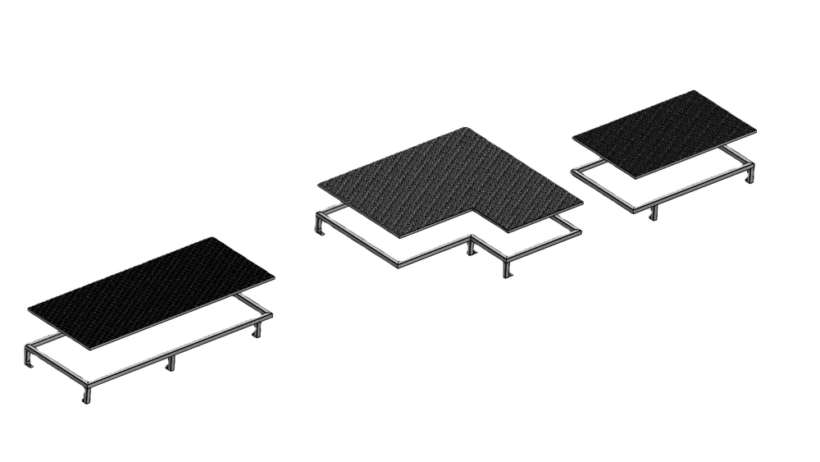
We employed advanced design software to create detailed 3D models of the platform. These models enabled us to visualise different configurations and refine the design based on continuous feedback from both the client and MNA Solutions. - Innovative Features
Key features of our design included modular components for easy assembly and future modifications, along with anti-slip surfaces and rounded edges to minimise the risk of accidents and injuries, thereby ensuring a safer work environment.
Challenges and Solutions
- Budget Constraints
Operating within strict budget limitations required us to identify cost-effective materials while upholding quality and safety. By researching alternative stainless steel grades and optimising the design, we minimised material usage without compromising structural integrity. - Hygiene and Safety Regulations
Adhering to rigorous food safety standards was critical. We consulted with industry experts to ensure surfaces were easy to clean and incorporated corrosion-resistant materials, with a design that minimised potential contamination areas. - Stakeholder Coordination
The involvement of multiple stakeholders, including the client, MNA Solutions, and regulatory bodies, required meticulous planning. We established regular communication channels and progress meetings to keep all parties aligned on project goals and timelines.
Outcomes and Lessons Learned
Despite the project not proceeding to approval, several key outcomes emerged:
- Completed Design Plan
Our team delivered a fully developed design plan that showcased our expertise in industrial design and safety engineering. The client expressed gratitude for our comprehensive approach and innovative solutions, noting that our work surpassed their expectations. - Enhanced Team Capabilities
The project provided an opportunity for our team to refine their skills in 3D modelling, stakeholder management, and regulatory compliance. One team member reflected, “This project challenged us to think outside the box and find creative solutions to complex problems. It was a great learning experience for everyone involved.” - Key Lessons
We learned the importance of early and continuous stakeholder engagement to ensure alignment on project objectives. Additionally, adopting a more flexible design approach became essential to accommodate changing requirements and constraints. The need for clear communication regarding project feasibility and potential obstacles was also underscored.
Conclusion
Although the new stainless steel platform did not receive approval, the proposed design promised significant improvements in the plant’s maintenance efficiency and workplace safety. The collaborative effort and innovative approach showcased our commitment to enhancing operational capabilities in the food manufacturing sector, solidifying our readiness for future projects.