
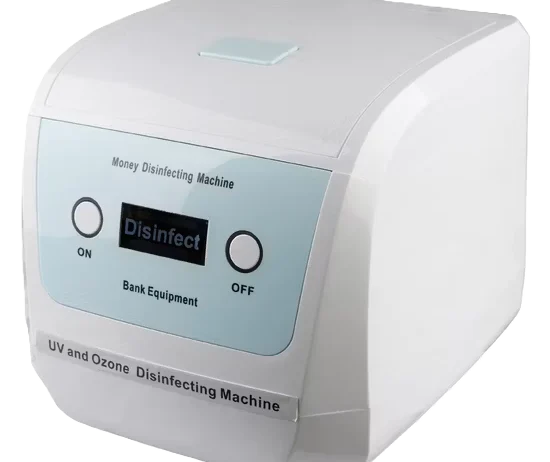

During the COVID-19 pandemic, public health and safety faced unprecedented challenges, particularly regarding the transmission of the virus through physical currency. In response, Wink Solutions, an innovative company dedicated to developing solutions that enhance safety, initiated the design and development of a currency sanitiser machine aimed at disinfecting banknotes and coins. This case study explores the engineering design process undertaken by KEVOS’s engineering team in collaboration with Wink Solutions, showcasing KEVOS’s objectives, methodologies, and outcomes.
Project Overview:
The sanitiser machine was conceived to serve various environments, including banks, retail spaces, and public transportation hubs. Its principal function was to sanitise physical currency using advanced technologies to minimise the risk of virus transmission. The machine employed a combination of UV light and heat, a method that has proven effective in combating a wide array of pathogens, including the COVID-19 virus.
Design and Development:
The engineering design journey commenced with a conceptualisation phase, during which the KEVOS team utilised Autodesk Inventor to produce detailed 3D models of the machine. This advanced CAD software enabled the team to visualise components, simulate interactions, and iterate designs to optimise functionality. Upon finalising the design, KEVOS partnered with an external prototyping service to create initial prototypes, which facilitated crucial testing and allowed for design refinement based on performance feedback.
Role of KEVOS:
As the project progressed, KEVOS’s role evolved to focus on enhancing the design for manufacturability. The team concentrated on the mechanical aspects of the machine, working collaboratively with Wink Solutions’ innovators to incorporate insights and optimise designs. Critical considerations included the redesign of the currency handling mechanism to accommodate various currency types and denominations, ensuring that paper notes were delicately handled while robust coins could be effectively sanitised.
A central challenge faced by the engineering team was developing a system capable of managing the diverse physical properties of currency. To tackle this, a dual-path mechanism was engineered: one pathway specifically for banknotes, equipped with soft rollers and precise UV exposure timing, and another pathway for coins, featuring a tumbling mechanism alongside heat treatment.
Materials and Maintenance:
Durability and ease of maintenance were vital considerations due to the machine’s expected frequent use in public settings. The team selected high-quality, wear-resistant materials for critical components and designed the machine with modular parts, facilitating straightforward replacement or servicing.
Outcomes:
The culmination of KEVOS’s efforts resulted in a currency sanitiser machine that exceeded initial expectations. Its innovative design quickly garnered media attention, leading to extensive coverage, including an interview with KEVOS’s founding partner, David Gardner, on an Australian news channel. The interview highlighted the machine’s potential to significantly improve public health measures amidst the pandemic, underlining its positive effect on communities worldwide.
Conclusion:
The collaboration between KEVOS and Wink Solutions on the currency sanitiser machine exemplifies a dedication to innovation and excellence in engineering design. Through advanced mechanical design and a strong focus on manufacturability, KEVOS played a pivotal role in developing a revolutionary product that contributes to global health safety efforts during the COVID-19 pandemic. This case study highlights the importance of engineering collaboration in addressing real-world challenges and enhancing public safety.