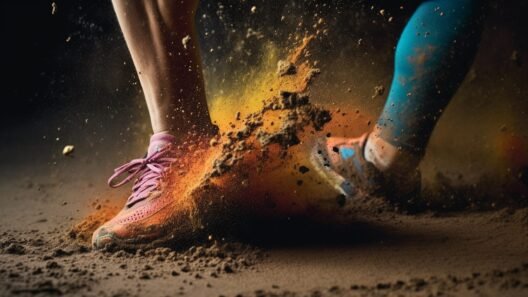




As beginners embark on their running journey, it’s common to experience gasping for breath—a natural discomfort that can arise from improper breathing techniques. To combat this, inhaling through the mouth is particularly advantageous, especially during the initial stages of running when the body’s demand for oxygen significantly increases compared to regular daily activities.
During these early runs, you might find yourself struggling to keep pace; focusing on a steady breathing rhythm can help alleviate this. As you gain more running experience, it’s beneficial to transition towards diaphragmatic breathing, often referred to as “belly breathing.” This technique emphasises the use of the diaphragm, a muscle located just below the lungs, which allows for deeper, more efficient breaths. Engaging the diaphragm not only enhances oxygen intake but also reduces the strain on your respiratory muscles, making your runs feel more manageable.
To practice diaphragmatic breathing, try to inhale deeply through your nose, allowing your belly to expand as you fill your lungs. Exhale slowly through your mouth, contracting your abdomen. Establishing a consistent and rhythmic breathing pattern—such as a 3:2 ratio of inhalation to exhalation—can significantly improve your overall running performance.
Moreover, this mindful approach to breathing can contribute to mental calmness and focus, which is particularly beneficial when you start to introduce variations to your workout regimen, such as interval training or hill sprints. Incorporating these breathing techniques into your routine not only boosts your endurance but also enhances your overall running experience, allowing you to enjoy the journey and reap the full benefits of this rewarding activity.
The Running Posture
Maintaining optimal running posture is essential for preventing injuries, a lesson I learned the hard way during my first year as a runner. Throughout that year, I experienced several injuries that hindered my progress and enjoyment, including Shin Splints, Calf Strain, Plantar Fasciitis, Runner’s Knee, Patellofemoral Pain Syndrome, and Low Back Pain. Each of these injuries stemmed from a lack of awareness regarding proper running form. While many people perceive running as an intuitive and natural activity, it is vital to understand and apply proper techniques to become an efficient and injury-free runner.
Jono, a seasoned coach with years of experience training runners of all levels, emphasises several key strategies to enhance running posture:
- Stand Tall: Adopting an upright posture is fundamental for maximising your running efficiency. It not only boosts your power output but also helps you maintain momentum throughout your run. Ensure that your head remains aligned with your spine, shoulders are relaxed and pulled back, and your core muscles are engaged to provide stability. This alignment helps distribute your weight evenly and alleviates undue strain on your joints.
- Forward Lean: Rather than bending at the waist or rounding your back, lean slightly forward from your ankles. This subtle forward tilt allows gravity to assist you by encouraging a more effective running stride. It positions your body to naturally propel you forward, resulting in a smoother and more efficient motion that conserves energy.
- Arm Position: Pay attention to your arm movements as they play a crucial role in your running efficiency. Drive your elbows back forcefully while keeping your hands relaxed and minimising excessive forward motion. This technique not only helps propel you faster but also contributes to a higher cadence, allowing you to increase your pace without wasting energy. Aim for your arms to move in sync with your legs, as this rhythmic coordination enhances overall performance.
- Scraping Through: This advanced technique encourages athletes to focus on applying their power effectively from the right stance. Visualise a straight line from your feet to your hips as you push off the ground, striving to “scrape” your feet through the air. By concentrating on this motion, you can improve your stride efficiency, potentially leading to faster running speeds while putting less strain on your body.
Incorporating these principles into your running routine can significantly enhance your performance and reduce the risk of injuries, allowing for a more enjoyable and sustainable running experience.
Pre-Workouts
While I’ve always found it challenging to integrate pre-run workouts into my routine, I’ve come to appreciate their immense value in preparing the body for physical activity. These pre-workout exercises are crucial as they help to loosen up the joints and muscles, enhancing overall performance and significantly reducing the risk of injury.
It’s important, however, to find the right balance; excessively long or intense warm-ups can lead to unnecessary fatigue before the run even begins, potentially detracting from one’s performance. My personal method involves a series of simple yet effective movements designed to ignite my energy and shake off any lingering inertia. This includes dynamic exercises such as leg swings to open up the hips, high knees for an elevated heart rate, and various dynamic stretches focused on areas like the hamstrings and quadriceps.
For those who are looking for structured guidance and a deeper understanding of how to optimise their warm-up routines, I highly recommend checking out RUN2PB, a comprehensive coaching program that has played a significant role in improving my running skills and overall fitness. Their approach combines both science and practical application, making it easier to incorporate effective warm-up strategies into one’s routine.
Running Shoes
If you’ve read “Born to Run” and decided to experiment with minimalistic footwear, you might have experienced injuries due to the limited cushioning and support these shoes offer. Selecting proper running shoes is critically important, especially for endurance and long-distance running, as they can significantly minimise the risk of injuries such as plantar fasciitis, shin splints, and knee pain. When choosing your shoes, it’s crucial to ensure that they fit well—avoid overly tight fits, which can lead to discomfort, blisters, and painful black toenails commonly associated with running.
I strongly recommend visiting a specialty running store where trained staff can provide a personalised fitting based on your foot shape, running style, and specific gait. Additionally, consulting with a podiatrist can be highly beneficial for tailored recommendations, especially if you have pre-existing conditions or unique foot mechanics. Personally, I have a diverse collection of shoes that I select based on the nature of my run: I prefer high-performance carbon-fibre plated shoes for racing days, as they offer excellent propulsion and energy return, while cushioned shoes are my choice for longer training runs to ensure comfort and minimise fatigue over distance.
Beyond shoe selection, ensuring that your shoelaces are tied properly can have a significant impact on comfort and performance. An effective tie can help maintain the shoe’s fit throughout your run, reducing the risk of heel slip. Here are two helpful video resources to guide you in mastering this essential skill:
For a more secure fit, I personally prefer using a toggle lace system. This allows for quick adjustments and ensures that the laces remain firmly in place, enhancing overall stability.
When it comes to running socks, investing in high-quality, moisture-wicking running socks is pivotal. Look for socks with specialised padding around key contact areas—like the heel, footbed, and toes—to minimise discomfort, reduce the risk of blisters, and enhance overall performance. Multi-layered and synthetic fabrics are often best suited for this purpose.
For clothing, I opt for dry-fit, breathable shorts and shirts or singlets tailored to the day’s temperature and weather conditions. Staying comfortable during a run is vital as it helps maintain your body temperature and enhances your overall enjoyment of the experience. Based on my earlier mistakes, I no longer recommend cotton materials; they tend to absorb and retain moisture, becoming uncomfortable and heavy during physical activity.
Since integrating coaching from RUN2PB, I have seen a remarkable improvement in my running technique. The key to my progress lies within a simple but effective formula:
SUCCESS = EFFORT x CONSISTENCYWith a variety of training modules available for exploration, my regimen includes:
- Aerobic endurance runs: Designed to build a strong cardiovascular base
- Threshold runs: Improving your ability to sustain a race pace
- Climax runs: Elevating your performance in longer training sessions
- Interval training: Enhancing speed and recovering quickly
- VO2 max intervals: Pushing your aerobic capacity
- Speed intervals: Sharpening your sprinting ability
- Fartlek workouts: Introducing varying paces and terrain for a dynamic experience
- Hill training: Building strength and improving power with uphill workouts
Each training component plays an essential role in constructing my endurance, speed, and overall running efficiency, contributing significantly to my development and depth as a competitive runner.